CoolTown Tips
Understanding Safe TVOC Levels – Breathing Easy at Home, Work, and Beyond
Understanding Safe TVOC Levels – Breathing Easy at Home, Work, and Beyond
Hey there, Southwest Florida friends! Welcome back to the Mr. Quick Fix blog, where we tackle everyday home and building maintenance topics with straightforward, helpful advice. Today, we're talking about the air we breathe indoors – specifically **Total Volatile Organic Compounds (TVOC)**. We'll cover what they are, safe levels in places like your home, office, or doctor's office, and even touch on popular insulation choices like spray foam.
Living in our beautiful subtropical paradise means hot, humid summers and mild winters – but that same climate can influence indoor air quality too. Good indoor air keeps us feeling great year-round, and a few smart habits make all the difference. Let's keep it positive and practical!
### What Exactly is TVOC?
TVOC refers to a group of carbon-based chemicals that turn into gases at room temperature. Common sources include paints, cleaners, furniture, carpets, printers, air fresheners, and building materials.
Most VOCs aren't harmful in tiny amounts, but higher levels can sometimes cause temporary irritation like headaches or stuffy noses. Indoor air can be 2–5 times more concentrated than outdoors (per EPA info), and here in SWFL our warm, humid weather can speed up off-gassing from materials – making ventilation even more important!
We measure TVOC in **micrograms per cubic meter (µg/m³)**.
### Safe TVOC Levels: The Guidelines
No strict U.S. federal limits exist for TVOC in homes or offices, but trusted guidelines from LEED, WELL Building Standard, and others provide clear targets:
TVOC Level (µg/m³) Description Typical Recommendation
|-------------------|--------------------------|-------------------------------------------------|
< 300 µg/m³ Excellent/Low Risk Great goal, especially for homes with kids or seniors
300–500 µg/m³ Good/Acceptable Standard for healthy buildings (LEED/WELL target)
500–1,000 µg/m³ Elevated Suggests checking ventilation
>1,000 µg/m³ High Time to improve airflow or find sources
- **Homes**: Aim under 500 µg/m³ – ideally lower for comfort.
- **Offices/Schools/Commercial**: Same <500 µg/m³ benchmark keeps everyone productive.
- **Doctor's Offices/Clinics**: Prioritize clean air with strong ventilation and low-emission materials.
TVOC gives a general picture; if concerned, testing specific compounds is the next step.
### A Quick Note on Spray Foam Insulation
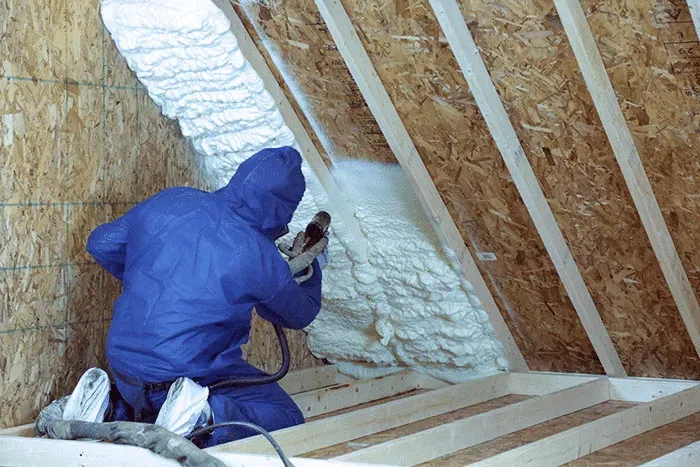
Spray foam is super popular right now for its energy-saving benefits – it seals tight and boosts efficiency!
Like many building materials, it can release some VOCs during and right after installation (mostly from the curing process). Modern low-VOC formulas and professional application keep this to a minimum – off-gassing is usually short-lived, wrapping up within hours to a couple of days once fully cured. Millions of homes and offices use spray foam successfully with no long-term issues, and the material becomes stable and inert afterward.
The key to great results? Proper installation by certified pros, good ventilation during the job, and following recommended re-occupancy times. If you're thinking about spray foam or already have it, other solid low-emission options like fiberglass, rockwool, or cellulose are available too.
We're happy to chat about the best fit for your space!
### How Can You Check Your Own Air?
Easy ways to stay on top of it:
**Home Monitors**: Great devices give real-time readings.
**Professional Testing**: We'll come out and test VOCs in your home or office with calibrated tools. It gives a clear picture of your air quality, plus tailored tips to keep it fresh.
### Practical Tips to Keep TVOC Low in Homes and Offices
You’ve got this! Here are some everyday habits that make a real difference – especially helpful in our humid SWFL climate:
1. **Ventilate regularly** – Open windows and doors when weather allows (those beautiful dry-season days are perfect!), and run exhaust fans in kitchens and bathrooms. Fresh air dilutes VOCs fast.
2. **Choose low-VOC or zero-VOC products** – Look for paints, varnishes, adhesives, carpets, and furniture labeled “low-VOC.”
3. **Store chemicals wisely** – Keep paint cans, solvents, cleaners, and fuels tightly sealed and stored in a garage, shed, or well-ventilated area – never in living spaces.
4. **Rethink air fresheners** – Many plug-ins and spray fresheners release significant VOCs to mask odors. Instead, tackle the source (like taking out trash or cleaning) or use natural alternatives: simmer citrus peels and herbs on the stove, open a window, or try a simple essential-oil diffuser with pure oils.
5. **Off-gas new items outdoors when possible** – Let new furniture, rugs, or mattresses air out in the garage or on a covered lanai for a few days before bringing them inside.
6. **Be mindful with candles** – Traditional paraffin candles can release more VOCs when burned. For a cleaner option, switch to beeswax or soy wax candles – they generally burn with fewer emissions and a natural glow. Beeswax, in particular, has a subtle honey scent and is a renewable choice!
7. **Maintain your HVAC system** – Change filters regularly, schedule annual tune-ups, and consider adding a quality air purifier with activated carbon for extra VOC capture. Keeping indoor humidity around 40–60% with your AC or a dehumidifier helps too – it slows down off-gassing and keeps mold at bay.
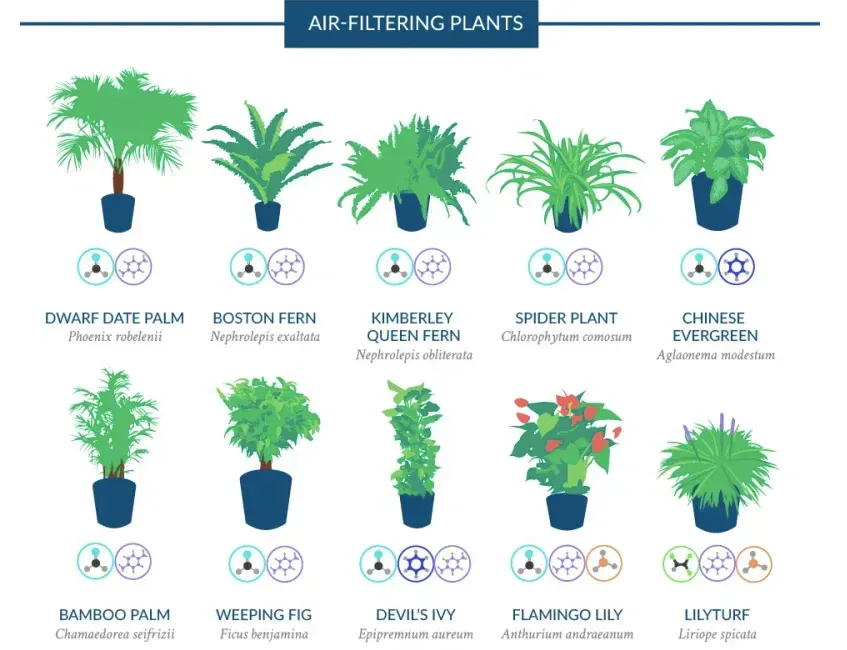
8. **Bring in houseplants** – Many plants (backed by NASA's Clean Air Study) naturally help filter the air by absorbing VOCs and releasing oxygen. Here are some great options that thrive in our humid Southwest Florida climate and are easy to find at local nurseries like Clark's Nursery in Naples or garden centers in Fort Myers:
- Peace Lily (removes formaldehyde, benzene, and more – loves humidity!)
- Snake Plant (super low-maintenance, great for bedrooms)
- Spider Plant (easy to grow, produces baby plants)
- Pothos (Devil's Ivy – trails beautifully, very forgiving)
- ZZ Plant (nearly indestructible, tolerates low light)
- Philodendron (heartleaf or selloum varieties – climbs or bushes out)
- Boston Fern (adds lush greenery, boosts humidity)
- Areca Palm or Bamboo Palm (taller options for bigger spaces)
- Chinese Evergreen (colorful leaves, shade-tolerant)
- Dracaena (like Marginata – stylish and sturdy)
Start with a few – they're affordable, pet-friendly options are available, and they make any room feel fresher!
9. **Avoid smoking indoors** – Tobacco smoke is a major VOC source.
Small changes like these add up quickly and keep your air feeling fresh – even during our steamy summers!
### Some Great Candle Recommendations on Amazon
If you're looking to try beeswax candles, here are a few popular, well-reviewed options available on Amazon that suit different budgets:
**Affordable/Middle-Class Pick**: DEYBBY Natural Beeswax Taper Candles (packs of 6–12, around $15–25) https://amzn.to/3YAKDSm – Dripless, smokeless, with a natural honey scent and long burn time.
**Solid Everyday Option**: Hyoola or similar pure beeswax tealights/pillars (multi-packs under $30) https://amzn.to/4j8UgkM – Great for daily use, clean-burning, and unscented.
**Luxury/Rich Pick**: Aspen & Oak or other premium jarred beeswax candles (16oz scented with essential oils, $30–50+) https://amzn.to/4jioXUD – Elegant glass jars, longer burn times, and sophisticated natural fragrances.
Always check current reviews and prices – there are tons of 100% beeswax choices to fit any style!
There you go – practical info for breathing easier in our Southwest Florida paradise! Whether upgrading insulation or just curious about your air, small changes add up. We're your local go-to for testing, advice, or maintenance.
Questions? Comment below or give us a call. Stay healthy and happy!
Mr. Quick Fix 😊
HVAC Tips
Get real facts, actionable advice from a seasoned pro who knows air conditioning systems inside and out. We share practical tips to help you maintain your HVAC system, improve air quality, and save on energy costs. No fluff, just straightforward fixes that work.
How often should I change my air filter?
In Southwest Florida's swampy air, change your AC filter every thirty to sixty days-monthly if you've got pets, kids, or allergies, every ninety if your house is a dust-free bunker. Dirty ones choke your system, spike bills ten to fifteen percent, and turn your vents into a petri dish. Pro tip: Snap a phone pic of the clean one labeled with the date, or Sharpie it right on the frame. Need premium pleated filters? We stock 'em at bulk rate-no delivery fee on your first service.
What are signs my AC needs servicing?
In Southwest Florida, your AC needs service if it rattles like palmetto bugs in a dryer, you set it to seventy-two and it still reads eighty-three, or your bill jumps twenty bucks. Could be refrigerant leak, could be a squirrel nest in the ducts. Ignore it and you'll sweat like a sinner in July.
How can I improve indoor air quality?
In Southwest Florida, your AC needs service if it rattles like palmetto bugs in a dryer, you set it to seventy-two and it still reads eighty-three, or your bill jumps twenty bucks. Could be refrigerant leak, could be a squirrel nest in the ducts. Ignore it and you'll sweat like a sinner in July.
What should I do if my AC is blowing warm air?
If your AC blows warm air, first check the air filter-swap if it's clogged. Then turn thermostat from cool to off, fan to on, and leave it thirty minutes so any ice can melt. While that's happening, go outside and see if water's dripping from the drain line-if not, vacuum it out with a wet-dry vac. After thirty minutes, flip breakers off thirty seconds, back on-give it five minutes, then set back to cool. Now listen: is the compressor humming and the outdoor fan pushing warm air hard? If not, or if it's still warm inside, call us. No guessing.
How can I save on energy costs?
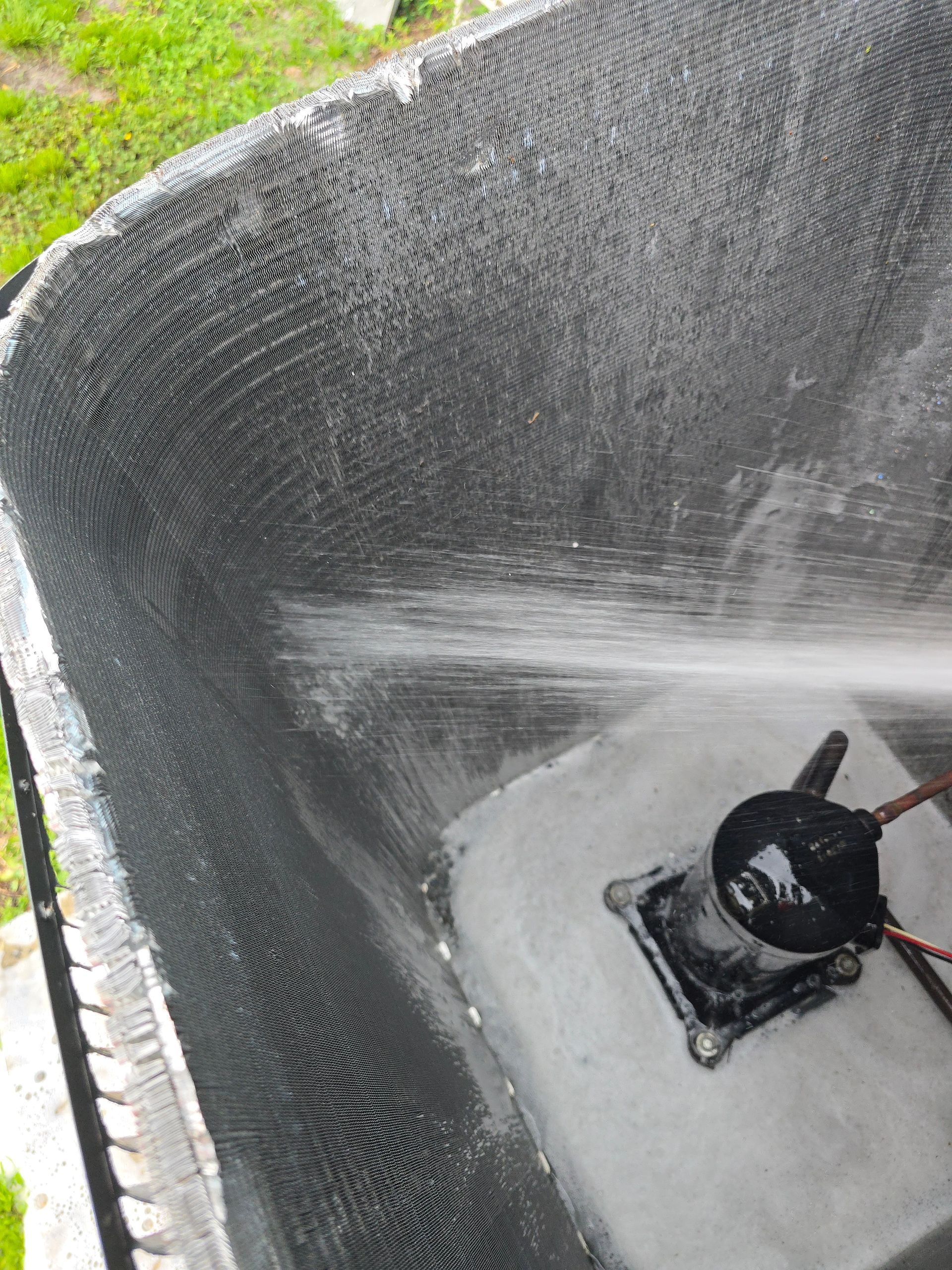
Regular tune-ups are like changing your oil before the engine grenades-saves 15 percent on the bill and a thousand on repairs. Seal leaks so the cool air doesn't vanish-tape ducts, caulk windows. Set a programmable thermostat: seventy-six when you're home, seventy-eight when you're gone. It'll learn your routine so you don't have to babysit it. Down here, every degree under seventy-six is money down the drain-according to the EPA, it can hike cooling costs by 3 to 5 percent per degree.
How long should my system last here in SWFL?
### Government & Non-Profit Sources
- **U.S. Department of Energy (DOE)**: National average for central AC/heat pumps is 15 years, but in hot/humid regions like Florida, expect 10–15 years due to extended operation (10–11 months/year) and efficiency loss from humidity/corrosion. Proper maintenance adds 3–5 years.
- Source: DOE's "HVAC Systems" guide (2023 update).
- **ENERGY STAR (DOE/EPA)**: In coastal/humid areas, salt air and high runtime shorten life by 20–30%; bi-annual tune-ups boost efficiency by 15% and extend lifespan.
- Source: ENERGY STAR HVAC factsheet (2024).
- **Air Conditioning, Heating, and Refrigeration Institute (AHRI)**: Well-maintained units in humid climates last up to 20% longer (e.g., 12–18 years), but neglect cuts it to under 10 years; coastal corrosion is a key factor.
- Source: AHRI Standard 210/240 performance study (2022).
### Academic/Scientific Studies
- **NREL (National Renewable Energy Laboratory) Report**: In hot-humid climates, HVAC systems face 25–40% more strain from dehumidification needs, reducing lifespan by 3–5 years; recommends enhanced controls for coastal areas to mitigate mold and coil degradation.
- Source: "Advanced HVAC Humidity Control for Hot-Humid Climates" (NREL/TP-5500-83357, 2024).
- **ScienceDirect Peer-Reviewed Paper**: Future climate projections show extreme humidity in coastal U.S. (like FL) increasing HVAC wear by 27–47% by 2050, with current systems in humid zones averaging 10–14 years due to overwork.
- Source: "Future climate scenarios and their impact on HVAC system design" (Renewable & Sustainable Energy Reviews, 2022).
Stay Informed
Subscribe to our tips and stay ahead of HVAC issues. Our expert insights will help you keep your system running smoothly and efficiently.